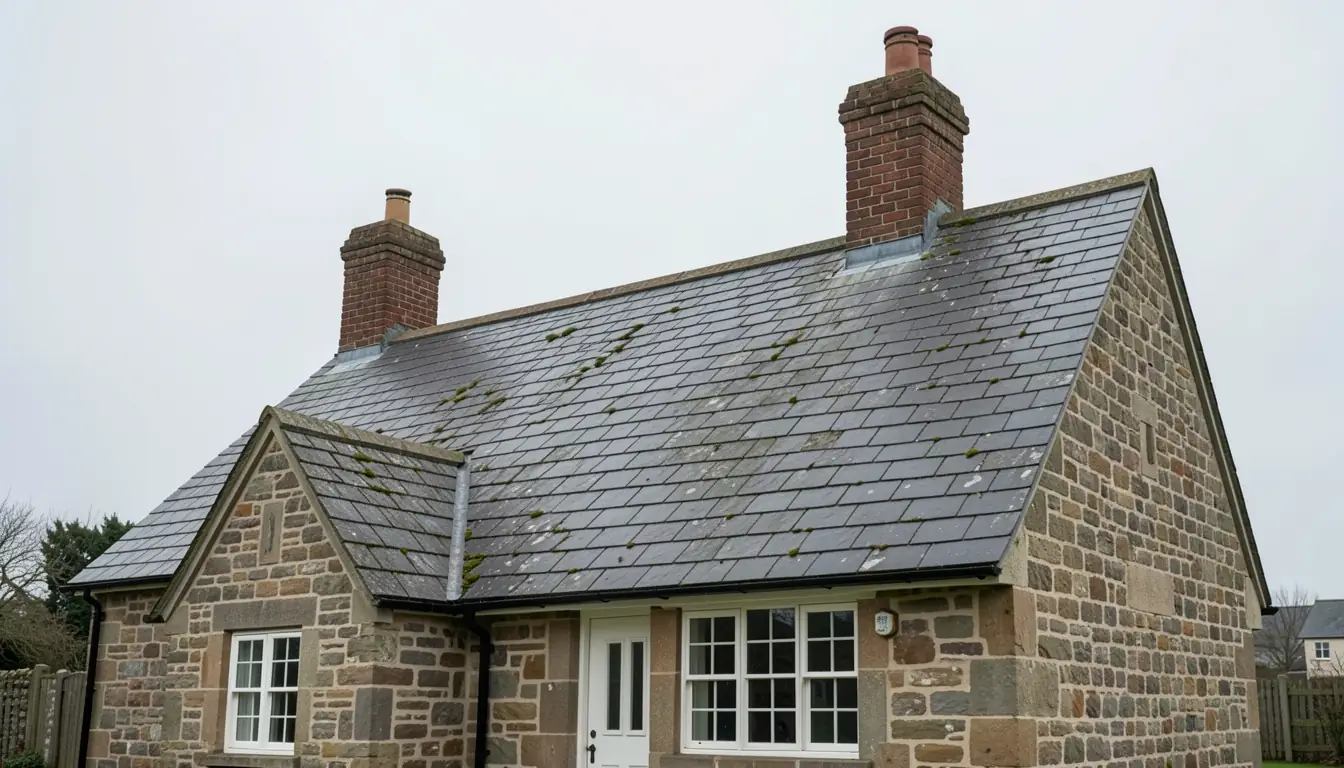
Many UK lenders will consider a home with spray foam, but only on their own terms. A GOV.UK policy paper names Nationwide, Lloyds, Santander, Barclays, NatWest, Coventry, The Co-operative Bank and HSBC among them. Policies differ, so first find out what foam you have and where it sits.
What the evidence says about lenders
The GOV.UK policy paper “Spray foam insulation: Remediation, removal and lending” was published by DESNZ on 22 October 2026. It says many mortgage providers are open to lending on properties with spray foam, subject to their own requirements. It names the eight lenders above.
“Open to lending” does not mean “will approve every case”. Each lender sets its own rules. A surveyor’s view of your roof can still decide the outcome.
Some lenders refuse to lend against homes with spray foam, and the evidence backs this up. The briefing “Spray foam insulation and mortgages” (CBP-10658) focuses on England and covers this problem. The BBC reported in November 2024 that a quarter of the UK’s biggest mortgage providers refused. They would not lend against homes with spray foam in the roof. Equity release is no easier, since all the lenders the BBC surveyed took the same line.
Aviva is a clear example. Its lifetime mortgage criteria for advisers list “properties with retrospectively applied spray foam insulation” as not acceptable. Its Lifestyle Max target market statement also gives spray foam as an example of a property that fails its lending criteria.
Lender policies change, so treat any list as a snapshot. Our lender policy tracker is a useful place to compare before you apply.
What usually causes the problem
Lenders lend against the value of a home. They need to be sure the property will keep that value. Spray foam makes that harder to judge, and the reasons are practical.
Foam sprayed onto the underside of a roof can cover the timbers. A surveyor then cannot easily inspect them. If they cannot inspect them, they cannot say the roof is sound.
Removal is the next worry. If a lender thinks the foam may need to come out later, it also has to think about the cost. That cost could affect the value of the home.
Resale matters too. A lender wants to know that the next buyer can also get a mortgage. A property that few lenders accept is harder to sell.
However, the foam itself is rarely the whole story for a lender. How the installer applied it, when they applied it and what paperwork exists all matter. That is why homes with spray foam can get different answers from lenders. Our overview of spray foam mortgage problems explains the wider picture in more detail.
What you can check yourself
You can gather most of the useful facts before you speak to anyone. Start with these:
- Where the foam is. Check the roof underside, walls and floors. Roof foam is the case lenders mention most.
- When it went in. Foam applied when the home was built is not the same as foam added later. Aviva’s wording shows lenders treat these differently.
- Who fitted it. Look for the installer’s name, a certificate or a guarantee.
- What any survey said. Find any past survey or report that mentions the foam.
- What you need the loan for. A standard mortgage, a remortgage and equity release can each get a different answer.
Check the loft, too. Look at whether the foam covers the rafters completely. Take photographs, because they help a surveyor and a broker.
The first useful step is simple. Write down where the foam is and when it was installed. Then ask your lender, or the lender you want to use, whether it accepts that situation. Do this before you pay for a valuation or a survey. A lender’s answer may depend on those two facts.
What if the foam needs to come out?
Removal is one route for some homeowners. Spray foam insulation removal is specialist work. Quality varies, and lenders want proof that the job was done properly.
Mortgage Solutions reported on 27 August 2026 that the Property Care Association created a membership for contractors who remove spray foam. The PCA said it would provide competency requirements, independent auditing and compliance monitoring. The aim is to give homeowners, buyers and lenders confidence.
That helps because it gives lenders something to point to. However, removal does not guarantee a mortgage. Ask your lender what evidence it wants before you book any work. Keep every invoice, photograph and report afterwards.
Get more than one quote, too. Costs depend on how much foam you have and how easy it is to reach. We do not have a reliable figure to give you here.
When to ask a broker
Ask for help when your own checks do not give a clear answer. That is likely if the foam is in the roof, if you need equity release, or if a lender has already declined you.
A broker can see which lenders are currently open to your case. They can also explain what each one wants to see. Look for one who has handled spray foam cases before, and ask them directly. Our guide to finding a broker explains what to look for.
Take your notes with you. Bring the foam’s location, the installation date, any paperwork and photographs. The more you can show, the faster a broker can narrow the options.
Do not assume a refusal from one lender applies to all of them. Equally, do not assume a lender on the list will say yes. Check the current policy for your own case before you commit to a purchase or a remortgage.