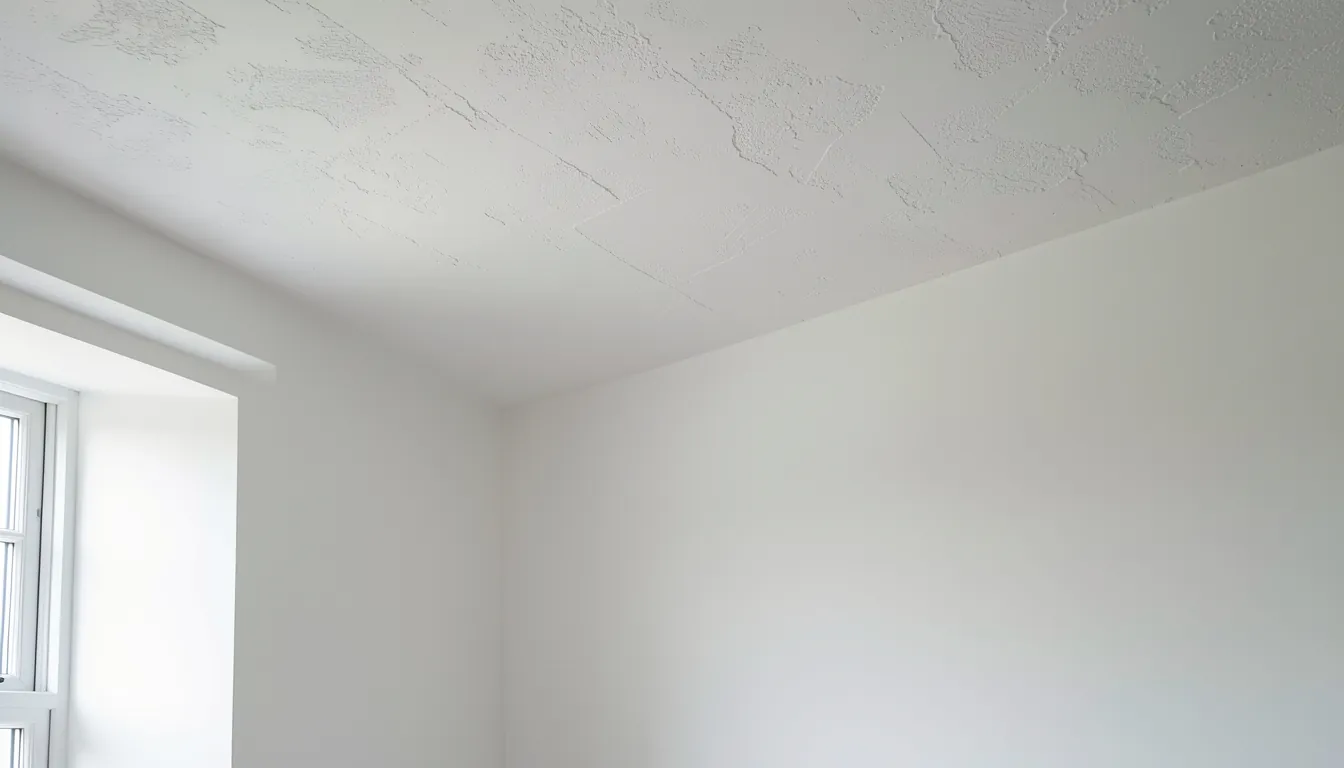
No, not automatically. Spray foam in the loft is a reason to pause, not to walk away. It can make a mortgage harder to get, but some lenders still consider it. Your first step is to ask a mortgage broker which lenders will accept this property, before you spend more on the purchase.
The short answer
Spray foam is a lending problem first and a building problem second. The survey flags it because lenders and valuers treat it with caution. The foam may be perfectly sound, but you still need a lender who will accept it.
So the question is not “is spray foam bad?” The better question is “can I get a mortgage on this house, and can I sell it later?” If the answer is yes, with paperwork to prove it, you can carry on. If the answer is no, walking away or renegotiating makes sense.
Cash buyers face no lender rules. However, the next buyer may need a mortgage, so the same problem could return when you sell. Our guide to buying a house with sprayed foam covers the wider picture.
Why lenders worry about spray foam
Lenders worry because spray foam on the underside of a roof can hide the timbers. It can also trap moisture. A surveyor cannot always see whether the wood behind it is sound.
The lending picture is mixed. A House of Commons Library briefing, “Spray foam insulation and mortgages” (CBP-10658), covers the issue in England. It notes that in November 2024 the BBC reported a quarter of the UK’s biggest mortgage providers would not lend against homes with spray foam in the roof. All the equity release lenders the BBC surveyed refused too.
Lender rules also differ, and they change. These examples show the range:
- Coventry (for intermediaries): it can consider spray foam on the underside of the loft roof. It may ask for further specialist reports.
- Nationwide: its valuer declines at first. It will reconsider if you provide the right evidence.
- Legal & General later life and lifetime mortgages: it lists spray foam in the loft space as not acceptable.
Rules like these can change, so treat them as a snapshot. A broker will know the current position.
What lenders ask for
Coventry says the foam must be in good order and of good quality. It must be breathable, not closed cell. The installer must have followed the manufacturer’s instructions, and the work needs certification from BBA, BRE or Kiwa. An insurance-backed warranty or guarantee must also pass to you and to future owners.
Nationwide offers two routes. The first needs confirmation that the installer followed the manufacturer’s recommendations. It also wants a full pre-survey suitability report, a condensation risk assessment and evidence of BBA certification. A warranty or guarantee that transfers to new owners must back it up.
The second route is an invasive inspection report from a FRICS or MRICS Chartered Building Surveyor. It covers frame integrity, any remediation or removal needed, and the estimated costs.
What you can check yourself
You can gather most of the evidence before you pay for anything. Ask the seller, through your solicitor, for:
- The installer’s name and the date of the work.
- Proof the installer followed the manufacturer’s instructions.
- Any BBA, BRE or Kiwa certificate.
- An insurance-backed warranty or guarantee, and whether it transfers to a new owner.
- Any pre-installation survey or condensation assessment.
- Whether the foam is open cell or closed cell.
Then read the survey wording closely. Check where the foam sits. Foam only in the loft is a different case from foam in the rafters, frame or underfloor. Ask the surveyor what they actually saw, and whether they could see the timbers.
Missing paperwork does not end the deal. However, it does weaken your position. A seller who cannot prove the work was done properly leaves you carrying the risk.
What about spray foam removal?
Removal is sometimes the route that gets a sale moving. It is also messy and costly. The facts here do not give a price, and any figure you read online is a guess for your roof.
Do not guess. Get a Chartered Building Surveyor to assess the roof and cost any removal or repair. That figure then gives you something solid to use when you negotiate the price. You can also ask the seller to deal with it before completion.
When to walk away
Walking away makes sense if several of these apply:
- No lender will accept the property, and you need a mortgage.
- The seller has no paperwork and will not help.
- An invasive inspection finds damage you cannot afford to fix.
- The seller will not reduce the price to cover the risk.
If lenders will accept it and the paperwork is in order, the risk is far lower. In that case you can often go ahead.
When to ask a specialist
Speak to a broker early. Ask which lenders accept spray foam in the loft, and what each one needs. Our page on finding a broker explains what to look for. Ask a broker who has dealt with spray foam cases before, because many have not.
Talk to your solicitor about the paperwork and any warranty. Also ask your surveyor whether the valuation can cover the foam, or whether you need a further report. Our page on surveys and valuations explains the difference.
Do this before you exchange contracts. After exchange, you are committed, and any problem becomes yours.